National Register Historic Districs

Landmark District

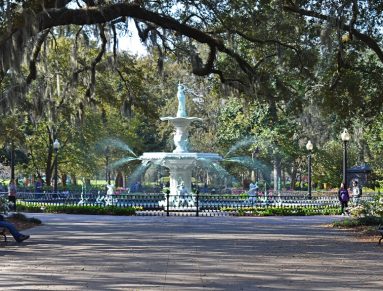
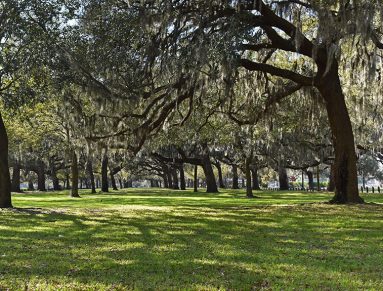
In 1966 Savannah was designated a National Historic District, due to its unique, well preserved city plan and historic building stock. Begun in 1733, General Oglethorpe’s city plan now extends from the Savannah River to Gwinnett Street, and East Broad Street to Martin Luther King, Jr. Boulevard. Oglethorpe’s plan began with six wards; at the center of each ward was a public square, flanked on the east and west by trust lots designated for public buildings, and 60′ x 90′ lots on the north and south sides. Recognizing the brilliance of this plan, city fathers implemented it in the southward expansion of the 1800′s, ultimately creating twenty-four squares from the Savannah River to Gaston Street. Savannah’s city plan is celebrated because it has been utilized throughout the City’s history and remains as valid and effective today as in its inception. read more…

Victorian District

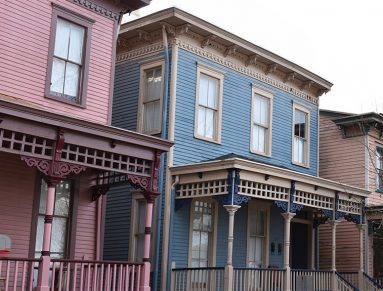
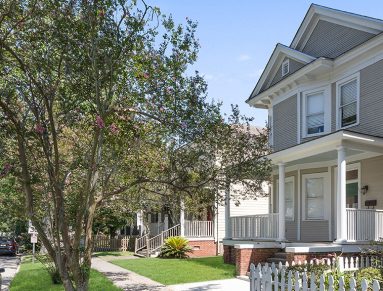
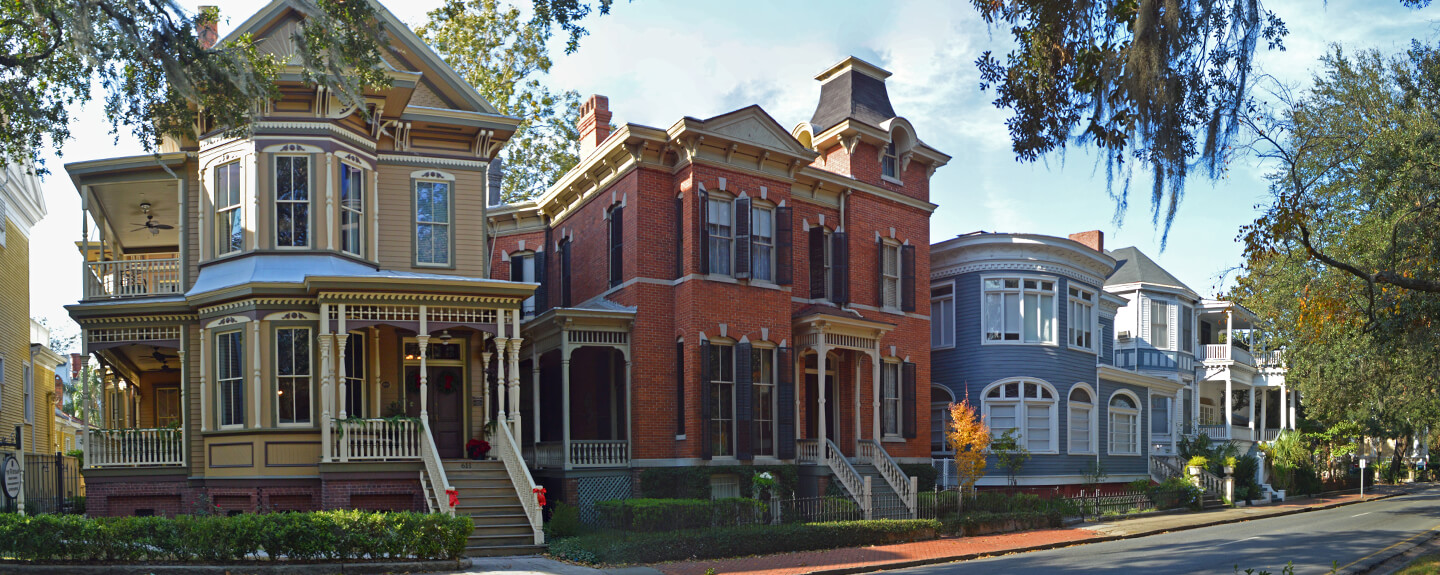
Following the Civil War, crowded living conditions downtown and technological advances, such as paved streets, a streetcar system, and electricity, promoted the development of suburban residences. When a streetcar system was installed in 1869 real estate developers followed its tracks, building inexpensive frame houses in the southern edges of the city. Now called the Victorian District, this area was designated a National Register District in 1974, and is bounded by Gwinnett Street on the north, Anderson Lane on the south, East Broad Street, and Martin Luther King, Jr. Boulevard on the west. read more…

Thomas Square Streetcar

Designated a National Register Historic District in 1997, the Thomas Square Streetcar Historic District contains a collection of historic, intact residential, commercial, and community buildings associated with the Thomas Square Neighborhood. Developed in the late nineteenth century, Thomas Square is bounded by Anderson Lane on the north, East Broad Street, roughly Victory Drive on the south, and Montgomery Street on the west. The city electrified the streetcar in 1888 and extended the A and B Belt line south along Whitaker Street into this district, creating a streetcar suburb. The streetcar lines were removed in 1920 due to the increased use of the automobile. read more…

Eastside

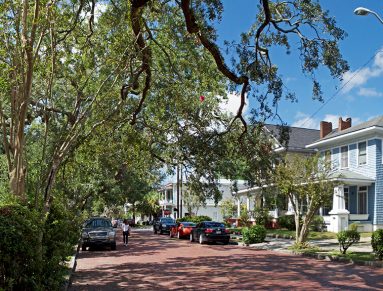
Designated on the National Register in November 2002, the Eastside Historic District is a large, residential neighborhood located east of the Savannah Victorian District. Eastside developed as a series of subdivisions that followed the establishment of streetcar lines by Jacob S. Collins through the area in 1891. By 1898, Collins had laid out lots for the largest development called Collinsville. The streets were laid out by 1900 and most of the land had been subdivided into small residential lots. Most of the streets continue the city’s 19th-century gridiron pattern. read more…

Cuyler-Brownville

One of the oldest African-American neighborhoods in Savannah, Cuyler-Brownsville is significant for its early grid pattern of streets designed shortly after the Civil War. The district also holds excellent examples of single and multiple family residences, attached rowhouses, detached commercial buildings and community landmark buildings.

read more…

Ardsley Park/ Chatham Crescent

Ardsley Park-Chatham Crescent is a large, highly intact residential area developed, beginning in 1910 as two adjacent planned subdivisions. The plan of Ardsley Park, a regular grid with landscaped squares, is extremely important as it is a twentieth century variant of Oglethorpe’s original city plan. Chatham Crescent is an rare example in Georgia of a Beaux Arts influenced, “City Beautiful” type plan with a grand mall, crescent-shaped avenues, and small circular parks incorporated into a basic grid pattern.

read more…

Daffin Park/ Parkside

The Daffin Park-Parkside Historic District features two distinct elements: the Beaux Arts-inspired Daffin Park that occupies the north half of the district and Parkside, a residential subdivision that contains mostly early twentieth-century single dwellings on twenty square blocks. Named for Philip Daffin, the first Chairman of the Savannah Park and Tree Commission, Daffin Park features the symmetry and axiality of the neighboring Ardsley Park-Chatham Crescent Historic District to the west. read more…

Gordonston

Gordonston is the newest neighborhood in Savannah to be named to the National Register of Historic Places. The Gordonston Historic District was officially listed on October 11, 2001. Gordonston is a lovely planned subdivision laid out in the early 20th century by the noted Gordon family of Savannah. read more…

Fairway Oaks/Greenview

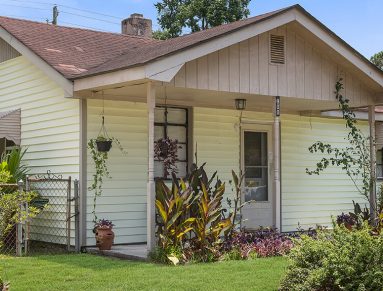
The Fairway Oaks – Greenview Historic District consists of two contiguous and historically related suburban residential subdivisions developed between 1950 and the early 1960’s on the outskirts of Savannah. read more…

Isle of Hope

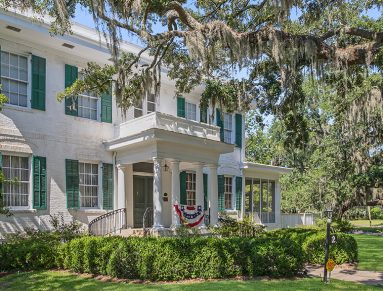
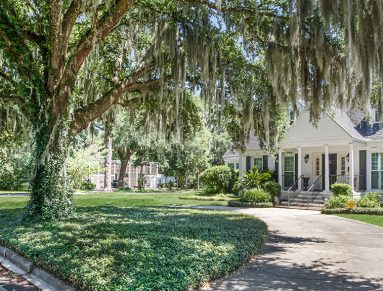
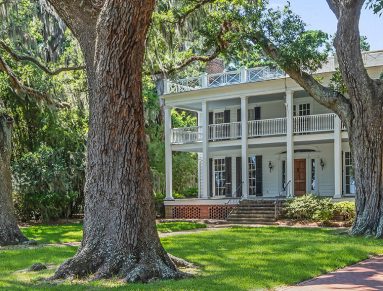
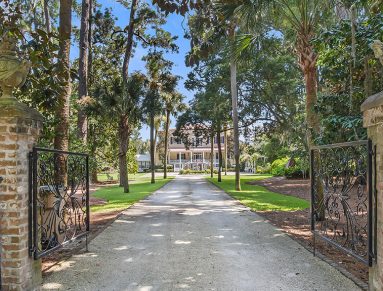
The Isle of Hope Historic District is a unique coastal riverside community dating from the early nineteenth through early twentieth centuries, located on a small inland island eight miles from downtown Savannah. It is bounded by the Skidaway River to the east and the non-historic development to the north, west and south. read more…

 Page 1 of 2  1  2 »